
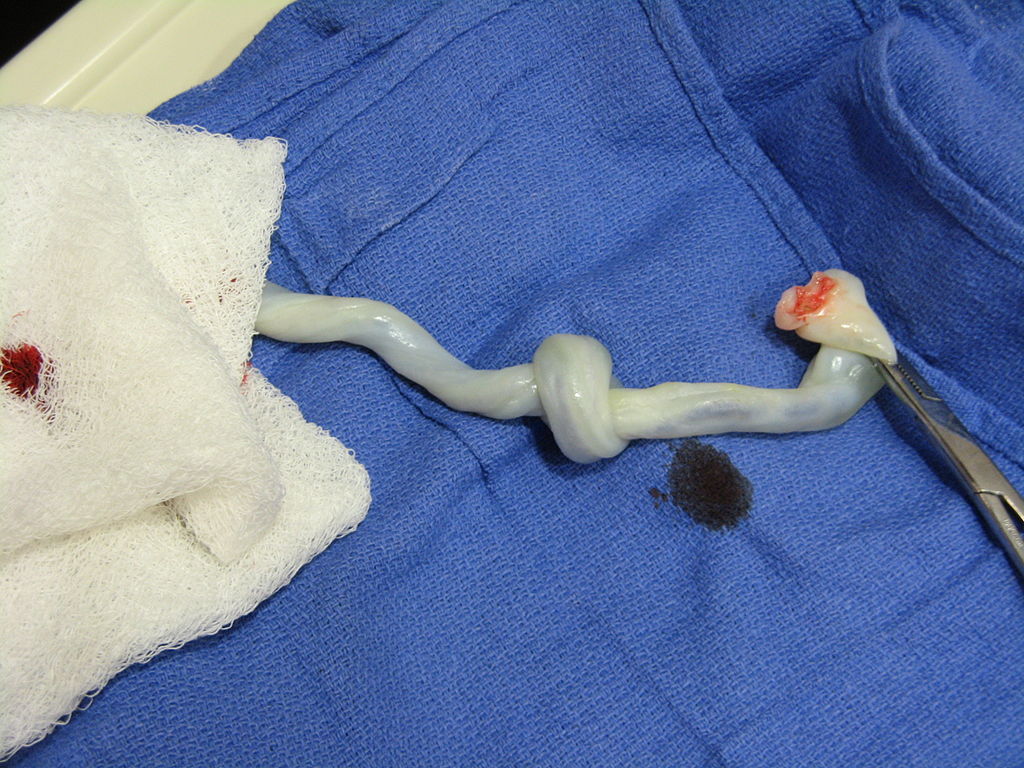
Optimal (Delayed) Cord Clamping
One of the decisions you may encounter as you prepare for birth is when your baby's umbilical cord should be clamped.
For many years, cords were routinely clamped very soon after birth. Today, the benefits of allowing some additional time before clamping are much better understood.
This is commonly called delayed cord clamping or deferred cord clamping.
What happens after your baby is born?
At birth, your baby is still connected to the placenta through the umbilical cord.
For a short period of time after birth, blood continues to move between the placenta and your baby. Waiting before clamping the cord allows additional placental blood to transfer to your newborn during this transition.
Current newborn-resuscitation guidelines support delaying cord clamping for at least 60 seconds for most term and preterm babies who do not require immediate resuscitation.
That short period can provide meaningful benefits.
What are the benefits?
Delayed cord clamping can increase a newborn's blood volume and improve early hemoglobin levels.
For term babies, research has also found improved iron stores during the first several months of life.
Iron is particularly important during infancy because it supports healthy growth and development.
For babies born prematurely, delayed cord clamping can offer additional benefits and has become an important part of modern newborn care.
Does delayed cord clamping mean waiting until the cord stops pulsing?
Not necessarily.
You may hear phrases such as delayed cord clamping, optimal cord clamping, or waiting until the cord stops pulsing used interchangeably, but they aren't always describing exactly the same thing.
Current medical recommendations generally define deferred cord clamping by a period of time after birth rather than requiring everyone to wait until the cord completely stops pulsating.
Some families and providers may choose to wait longer when circumstances allow.
This is something worth discussing with your healthcare provider before labor so you understand their usual practice and can express your preferences.
Can I still have skin-to-skin contact?
Often, yes.
For a healthy newborn who is transitioning normally, many of the first moments after birth can happen while the cord remains intact.
That means delayed cord clamping doesn't necessarily have to interfere with immediate skin-to-skin contact or those first moments of meeting your baby.
Are there times when the cord needs to be clamped sooner?
Yes.
Birth doesn't always unfold according to plan.
There may be circumstances involving the baby, the placenta, the umbilical cord or the mother's condition that require the medical team to change the plan.
For babies who need immediate resuscitation, decisions about cord management depend on the clinical situation and the resources available.
This is why delayed cord clamping is best viewed as a birth preference rather than an absolute rule.
Your healthcare team can explain what is appropriate for you and your baby if circumstances change.
Put it on your birth-preference list
If delayed cord clamping matters to you, talk about it with your provider during pregnancy rather than waiting until you're in labor.
Ask questions such as:
How long do you typically wait before clamping the cord?
Under what circumstances would you recommend clamping sooner?
Can my baby remain skin-to-skin while we wait?
Understanding your provider's normal practices ahead of time can make it easier to communicate your preferences when your baby's birthday finally arrives.
Like so many decisions surrounding birth, the goal isn't to create a rigid plan.
It's to understand your options, communicate what's important to you and work with your birth team to make decisions based on the circumstances at the time.
Originally published December 15, 2015. Updated October 2026.