
What's the Difference Between a Doula and a Midwife?
If you're preparing for a baby, you've probably heard the words doula and midwife. And if you're like many expectant parents, you may be wondering:
What's the difference?
It's a great question because doulas and midwives can both play important roles during pregnancy and birth—but their roles are very different.
What does a midwife do?
A midwife is a healthcare provider who cares for women during pregnancy, labor, birth and the postpartum period.
Depending on the type of midwife, credentials and practice setting, a midwife may provide prenatal care, monitor the health of you and your baby, attend your birth and provide postpartum care.
In other words, your midwife is part of your medical care team.
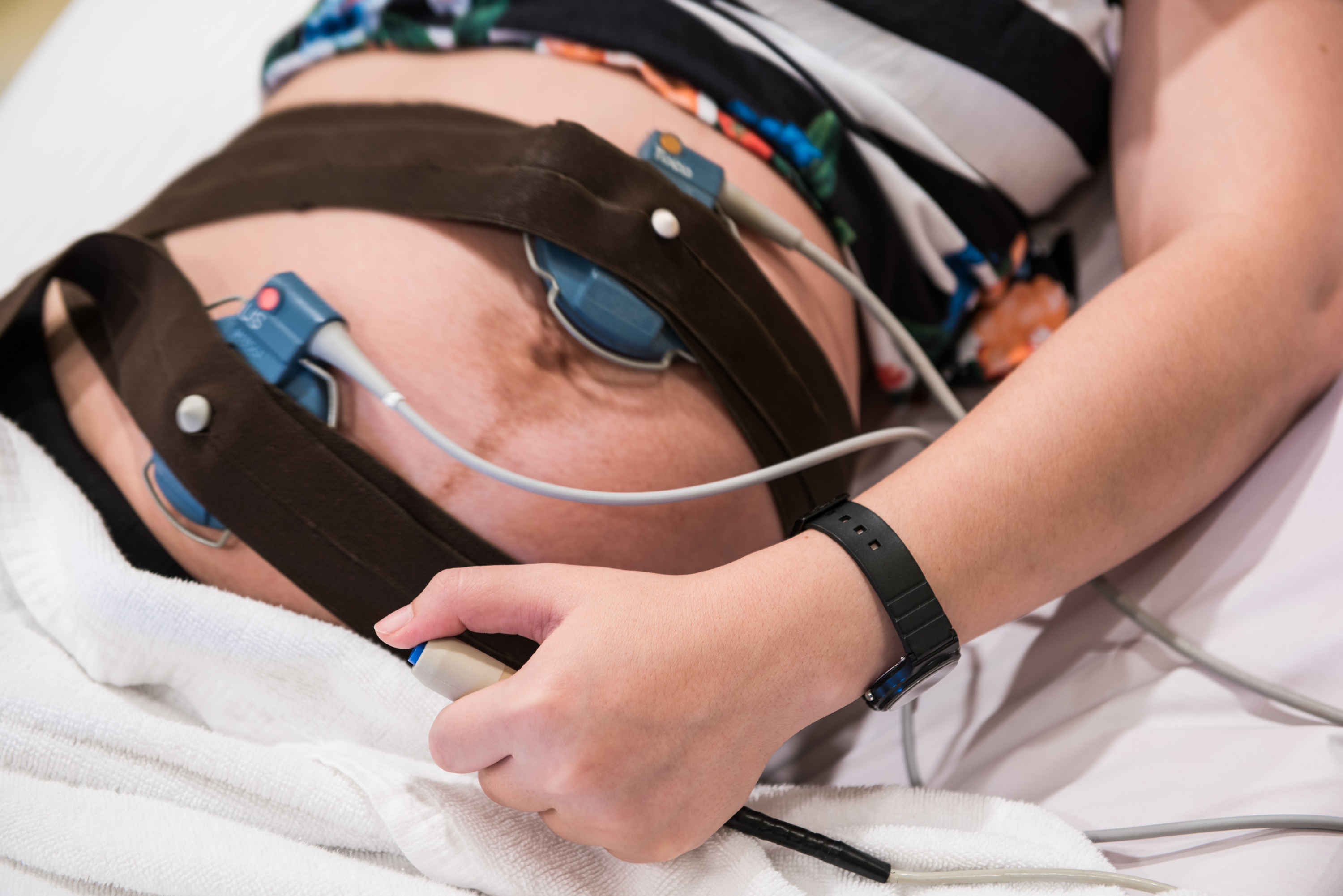
During labor and birth, the midwife is responsible for monitoring the clinical well-being of you and your baby and making medical assessments and decisions within their scope of practice.
What does a doula do?
A doula has a very different role.
A birth doula is a nonmedical support professional whose primary focus is supporting you throughout labor and birth.
That support can include comfort measures, position changes, breathing and relaxation techniques, encouragement, emotional reassurance and helping your partner participate in whatever way feels right for both of you.
One of the biggest differences is continuity.
Your medical team has important clinical responsibilities throughout your labor. A doula's role is different: she can remain focused on you and your support needs throughout the experience.
Do I need a doula if I have a midwife?
You certainly can have both.
A midwife and a doula don't replace one another because they're doing different jobs.
Think of it this way:
Your midwife is responsible for your clinical care. Your doula is there to support your experience.
That distinction can become especially important during a long labor or when circumstances change unexpectedly.
Your medical provider may need to monitor your baby, evaluate your progress, consult with other members of the healthcare team or attend to clinical responsibilities.
Your doula can continue helping you stay comfortable, supported and connected to what's happening around you.
Does having a doula mean I have to have an unmedicated birth?
No.
Hiring a doula doesn't mean committing yourself to one particular kind of birth.
You may want an unmedicated birth. You may plan to use an epidural. You may change your mind during labor. Your birth may take a direction you hadn't anticipated.
A doula's job isn't to make those choices for you.
It's to support you.
That might mean helping with comfort techniques during an unmedicated labor. It might mean helping you find comfortable positions after an epidural. It might mean helping you think through questions you want to ask your healthcare team when new options are presented.
The goal isn't to achieve someone else's idea of the "perfect birth."
The goal is for you to feel informed, respected and supported throughout your own experience.
What happens if complications arise?
This is another area where the difference between a midwife and a doula becomes especially important.
Your midwife or other medical providers are responsible for evaluating the clinical situation and recommending appropriate medical care.
Your doula does not diagnose conditions, interpret medical tests or make medical decisions.
Instead, your doula can help you slow things down when appropriate, understand what questions you may want to ask, communicate your preferences to your care team and remain emotionally supported while you and your healthcare providers determine the next steps.
And while your medical team focuses on the clinical situation, your doula can continue focusing on you.
Midwife and doula: different roles, one goal
Midwives and doulas aren't interchangeable.
One provides clinical care.
The other provides continuous nonmedical support.
And for many families, having both means building a birth team in which each person brings something different to the experience.
If you're expecting a baby on the Treasure Coast and considering adding a doula to your birth team, Bell House Doulas can help you understand what doula support looks like and whether it's right for your family.
Originally published May 30, 2018. Updated October 2026.